
Cotton-rich textile waste as cellulose fibre feedstock
The textile industry faces a major challenge: the demand for fibre is growing, while the impact of traditional raw materials is becoming increasingly visible. Cotton cultivation requires a lot of water and arable land, while synthetic fibres are under pressure due to microplastics emissions. At the same time, the amount of textile waste is increasing worldwide.
According to SaXcell , cotton-rich textile waste offers increasing opportunities as an alternative raw material for the production of new cellulose fibres. SaXcell developed a technology that converts discarded textiles into pulp for the production of regenerative cellulose fibres.
CEO Pramod Agrawal says in the interview that his interest in circular textile solutions arose during research into green chemistry and enzymatic cotton processing. Early on, he says, it became clear that the textile sector needed to become fundamentally sustainable because of the high environmental impact of production processes and global chains.
From textile waste to new raw material
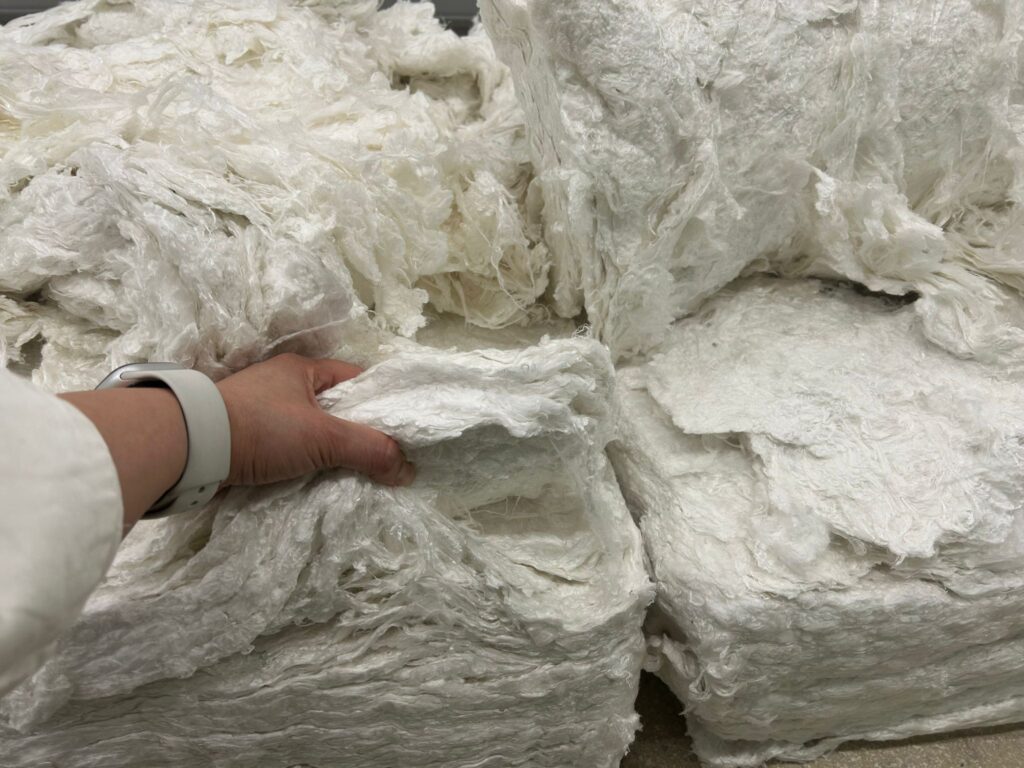
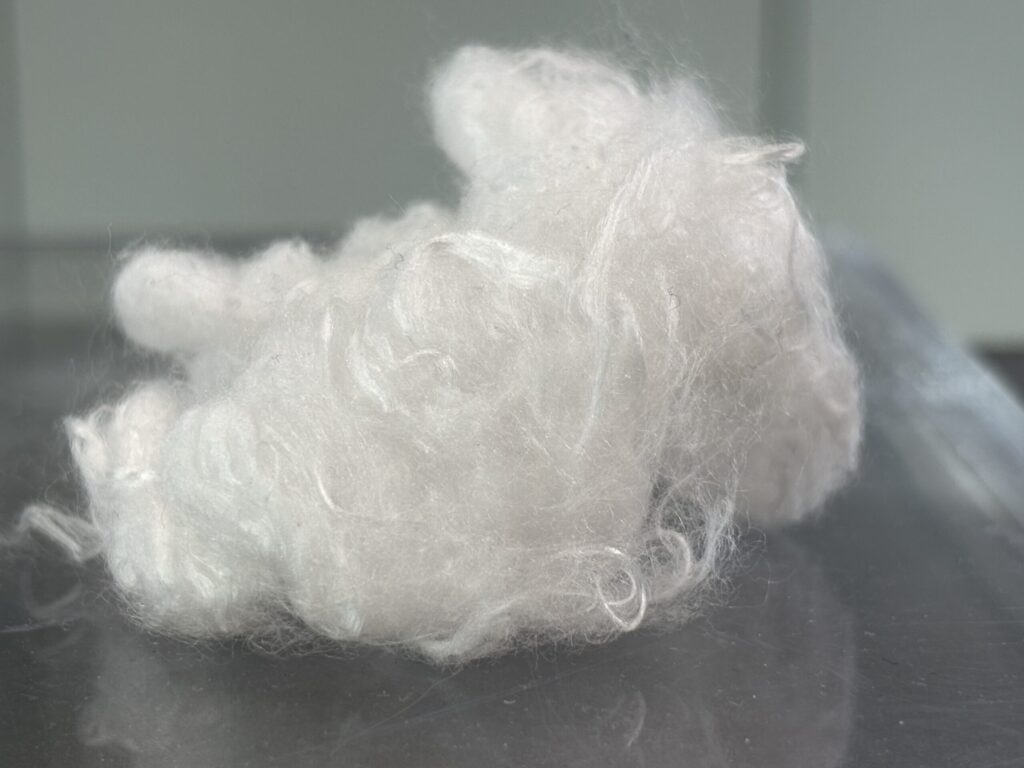
SaXcell works mainly with cotton-rich waste streams, as cellulose forms the basis of the production process. Both industrial textile waste and post-consumer textiles can be processed. Cotton-polyester blends are also possible, although the polyester is lost in the process. The higher the cotton percentage, the more efficient the process.
Used towels and bedding, in particular, are seen as interesting raw materials. These products often consist largely of cotton, are relatively homogeneous and have already fully completed their original lifespan.
Scale-up and cooperation
The development of alternative cellulose fibres is partly driven by the pressure on conventional cotton production. Producing one kilo of cotton requires a lot of water and a significant proportion of global pesticide use is linked to cotton cultivation. At the same time, global demand for textile fibres continues to grow.
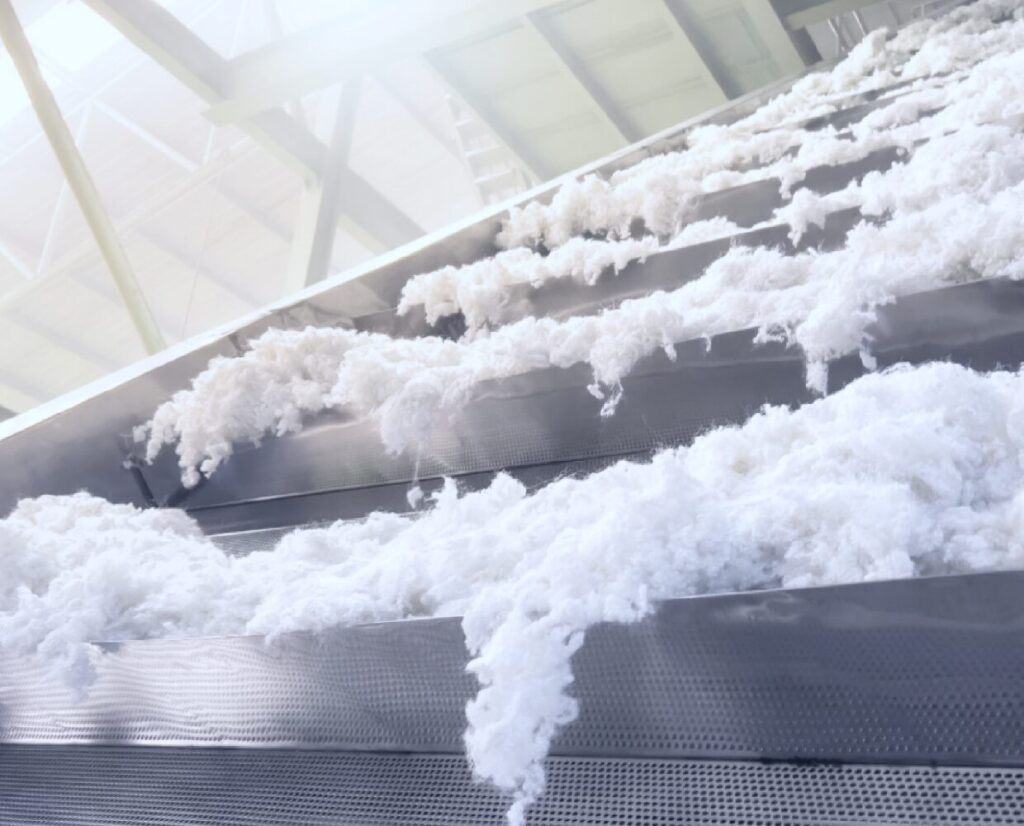
SaXcell uses the Lyocell process, which largely recycles solvents and requires relatively little water. Whereas traditional Lyocell production is usually based on wood pulp, SaXcell uses post-consumer textiles as raw material.
According to the company, collaboration in the chain is essential to scale up these innovations. That is why SaXcell works with partners from different parts of the textile chain – from sorting and fibre production to spinning, knitting and product development.
Increasing role for recycled cellulose
The market for man-made cellulosic fibres is growing rapidly. At the same time, concerns about microplastics and stricter regulations around circularity and recycled content are increasing pressure on polyester.
European legislation also plays an important role in this. Developments such as the Digital Product Passport (DPP), the Ecodesign for Sustainable Products Regulation (ESPR) and requirements around recycled content are driving the search for circular raw materials and new recycling technologies.
According to SaXcell, chemical recycling in particular can be an important complement to mechanical recycling, because not all textile streams are suitable for mechanical processing into high-quality new fibres.
With this development, cotton-rich textile waste grows step by step from residual stream to valuable raw material within a circular textile chain.
The article above was provided by our partner SaXcell and based on an interview previously published on TexSpace Today. It shows how cotton-rich textile waste is increasingly being used as a raw material for new cellulose fibres, a development that is closely aligned with NewTexEco’s circular ambitions.
Project Updates
9 October 2026
TOS13: new field lab for digitalisation in the textile sector launched
On 30 September, the kick-off event for Textile Opportunity Space 13 (TOS13) took place at the TextielMuseum in Tilburg. In this field lab, companies, research institutions and technology partners are working together on digital solutions for the textile sector. The aim is to test ideas in practice, develop them further and bring them closer to […]
9 October 2026
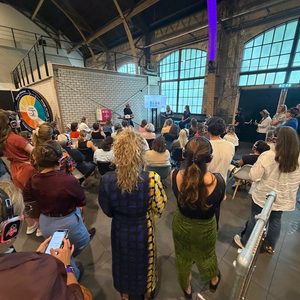
NewTexEco at Circular Textile Days
From Wednesday 30 September to Thursday 1 October, we attended the Circular Textile Days (CTD) in Tilburg. During this sixth edition, brands, retailers, policymakers, researchers and innovators came together to discuss current issues in the circular textile sector. European legislation is imposing increasingly specific requirements on products, processes and supply chains. How are organisations preparing […]
14 July 2026
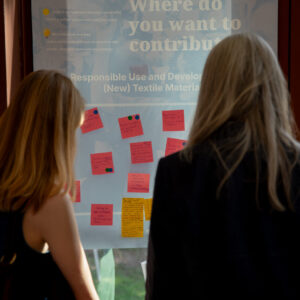
Harvest Day lays the foundations for the next phase of NewTexEco
Together with the Circular Textile Action Plan (ACT), NewTexEco brought together researchers, companies, educational institutions, government representatives and other partners to share the achievements of the past four years and jointly shape the next phase of the NewTexEco Research Community (2027–2030).The event once again highlighted that NewTexEco’s strength lies not only in developing new knowledge, […]
14 July 2026
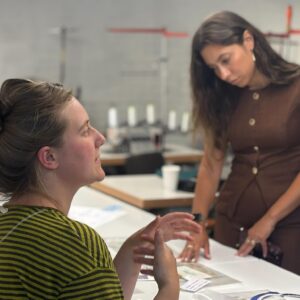
Concepts refined during the consortium meeting
On 10 July, the Care & Repair partners met at Fabriek Fris in Ede for a consortium meeting. The meeting focused on the initial draft designs for the pilot phase. By presenting the designs and exchanging feedback, the partners worked together towards the next phase of the project: testing the interventions in practice. Fabriek Fris, […]

1 July 2026
Sanne Schepers has joined the NewTexEco advisory board
On 1 May 2026, Sanne Schepers joined the NewTexEco advisory board. As Head of the Bachelor’s programme in Fashion Design at ArtEZ University of the Arts, she brings a broad range of international expertise in the fields of design, craftsmanship, education and sustainable innovation, from both a national and an international perspective. Together with Anne […]
9 June 2026
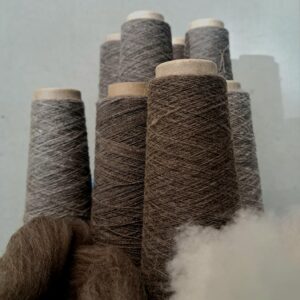
Knit2Last shows potential for high-quality wool recycling
The KIEM HighTech project Knit2Last has reached an important first milestone. In Saxion’s Circular Textile Lab, the first yarns and fabrics have been developed using pre- and post-consumer recycled wool, blended with virgin merino wool from DutchMerino®️. Initial knitting tests show that these recycled materials can be processed on industrial knitting machines. The project thus […]

9 June 2026
De Klerenpartij brings circular fashion to the council chamber
What if clothes had a voice? That question lies at the heart of De Klerenpartij, an initiative by fashion researchers, students and companies from the NewTexEco network. By giving clothes a political voice, the initiative aims to spark a conversation about the systems behind fashion consumption and their impact on people and the environment. Current […]
8 June 2026
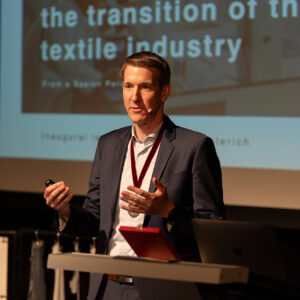
Jens Oelerich officially appointed as Professor of Sustainable & Functional Textiles
On 28 May, Dr Jens Oelerich was officially installed as Professor of Sustainable & Functional Textiles at Saxion. During a symposium and inaugural lecture, the focus was on the role of research, education and collaboration in the transition to a circular textile industry. The day brought together researchers, businesses, educational institutions and other partners from […]

1 June 2026
Fashion education for sustainable and inclusive future
The international Erasmus+ project CIRCUFash – Circular Urban Fashion: Europe’s Inclusive Renaissance brings together European partners to innovate fashion education and make the sector more sustainable, social and inclusive. From 2026 to 2027, researchers, designers and civil society organisations, led by the Fashion Design & Identity lectorate(Hogeschool van Amsterdam) and the Amsterdam Fashion Institute (AMFI), […]
28 May 2026
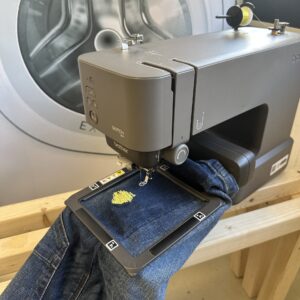
Interim results project Care & Repair
The Care & Repair project is in full swing. On Wednesday 8 April, the second phase was kicked off at ArtEZ University of the Arts. In this phase, which runs until October 2026, we will work with partners in the field to design and develop concrete concepts and interventions around maintenance and repair of clothing. […]
20 May 2026
Symposium The New Thread success
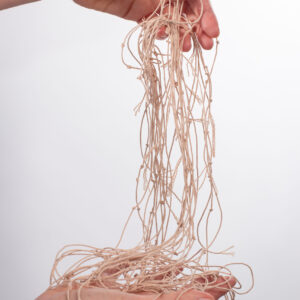
The first edition of the symposium The New Thread was completely sold out. The large turnout and the energy in the room underlined the broad commitment within the textile sector. The programme came about thanks to contributions from several NewTexEco partners, including Fibershed, De Museumfabriek and Enschede Textielstad. The morning focused on circularity. Presentations and […]
20 May 2026
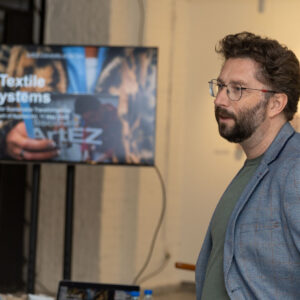
International collaboration highlights NewTexEco’s approach to sustainable textile transformation
At the invitation of the organisers of the project Repair the Fabric: Healing Voices and Patterns Across Generations, Perica Savanović, Professor of Design at ArtEZ University of the Arts and lead professor within NewTexEco, delivered a keynote lecture during the project’s closing event in Belgrade. The invitation followed international interest in the e-magazine From Loose […]
19 May 2026
Join the survey on the Digital Product Passport for textiles
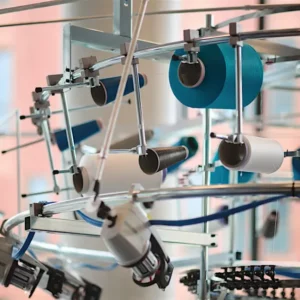
What does a workable and reliable Digital Product Passport (DPP) for textiles look like in practice? Within the NewTexEco project on the Digital Product Passport, researchers and professionals from the textile chain are jointly investigating which information is actually needed, feasible and usable. The first round of Delphi research within the M-DPP project has now […]
19 May 2026
Hogeschool van Amsterdam welcomes international Textile ETP Conference
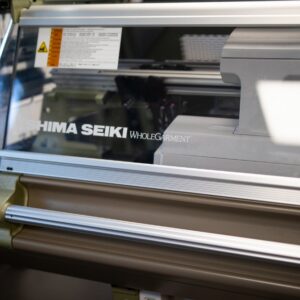
At a crucial moment for the European textile and fashion industry, the Hogeschool van Amsterdam (HvA) welcomes the international Textile ETP Conference from 26 to 28 May 2026; the European platform for future-proof clothing and textiles. In Amsterdam, science and industry will consider the profound change that awaits the sector, thanks to new European laws […]

19 May 2026
Lucie Huiskens joined advisory board NewTexEco
From 1 May, Lucie Huiskens joins NewTexEco’s advisory board. She was previously involved in our research and knowledge network as programme coordinator. Last year, she handed over her duties to Lianne van Roekel and took leave of the core team. During that period, she also published, during Dutch Design Week, the e-magazine From loose threads […]
18 May 2026
Updates from the Steering Committee
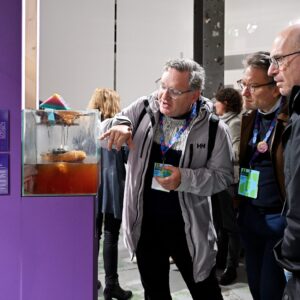
José Teunissen was appointed interim dean of the Amsterdam University of Applied Sciences on 1 May 2026, succeeding her predecessor Frank Kresin. In this new role, she joins the steering committee of NewTexEco. She will remain involved as professor within the Fashion Design & Identity research group (Amsterdam University of Applied Sciences). Frank Kresin has […]

18 May 2026
Projects wanted for Smart Solutions Semester Saxion
Saxion will restart the Smart Solutions Semester in September 2026, in which around 900 students will work in interdisciplinary teams on current and complex issues from professional practice and lectureships. For Learning Community 37: Sustainable & Functional Textiles, Saxion is looking for new projects from the field and partners. Within the Smart Solutions Semester, student […]
18 May 2026
Cotton-rich textile waste as cellulose fibre feedstock
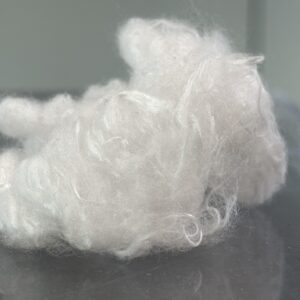
The textile industry faces a major challenge: the demand for fibre is growing, while the impact of traditional raw materials is becoming increasingly visible. Cotton cultivation requires a lot of water and arable land, while synthetic fibres are under pressure due to microplastics emissions. At the same time, the amount of textile waste is increasing […]
29 April 2026
Preview: students preparing for State of Fashion
Students from the Master’s programme in Critical Fashion Practices at ArtEZ University of the Arts recently held their presentations and reviews as part of the Professorship assignment on (In)visible Labour. This moment marks an important intermediate step within the ongoing research project. The presentations give a first glimpse of the work that students will continue […]
8 April 2026
Participate in research on sustainable textiles
The research team of Hogeschool van Amsterdam invites companies to participate in a new research project within NewTexEco: The Business Case for Durability: Collaborative Value Creation in Circular Textile Ecosystems (BUDUCE). The project investigates how collaborative models in circular textile chains create, deliver and retain value for all parties involved. Sustainability as a system driver […]